Pedro Ramírez Vázquez
(1919-2013)
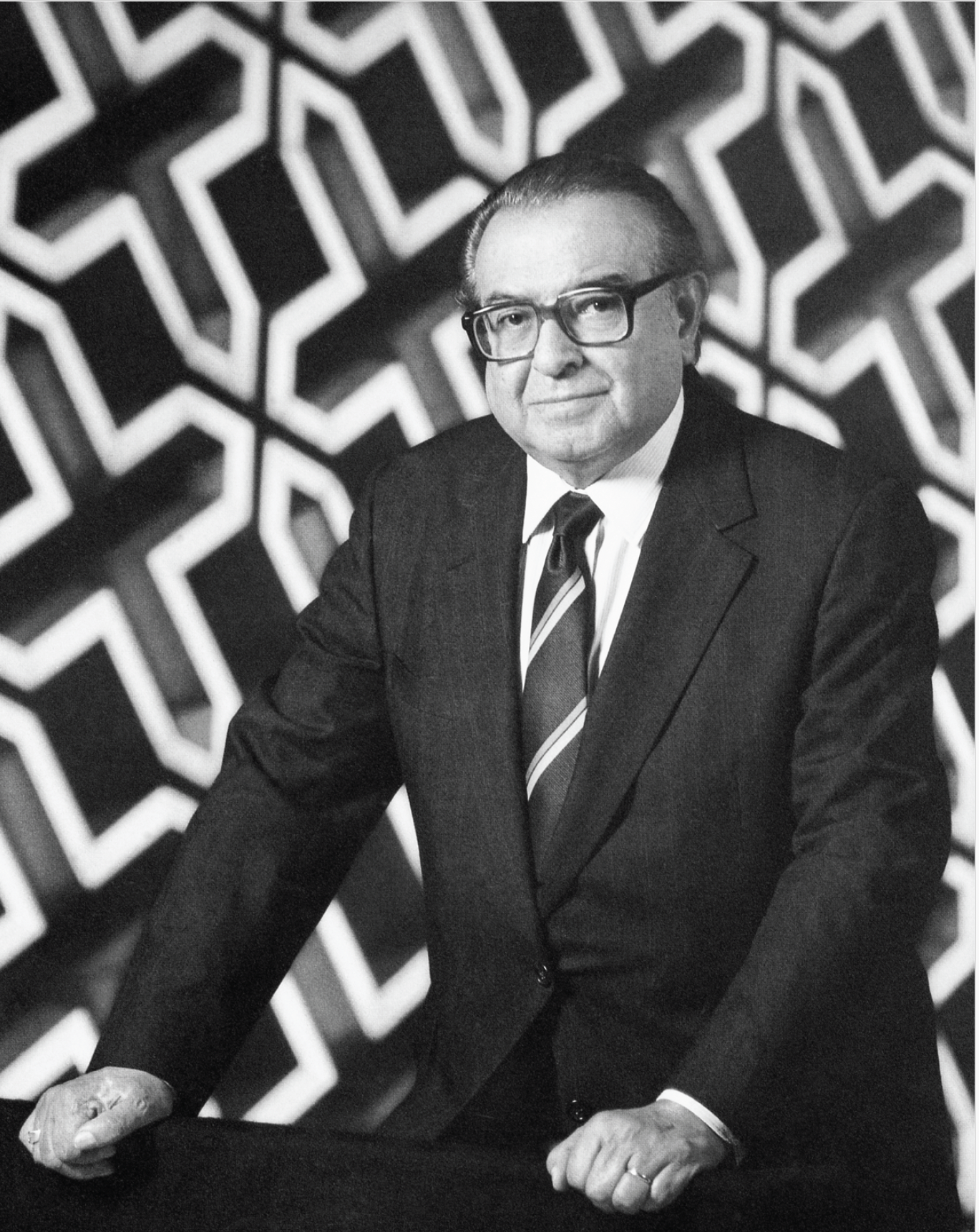
Renowned Mexican architect and designer Pedro Ramírez Vázquez was a powerful advocate for Mexican design style. Looking to the ‘cultural constants’, as he called it, of iconography, symbols and references associated with Mexican culture, he recurrently integrated traditional facets into landmark projects, such as the Museum of Anthropology and the Basilica in Mexico City.
An urban planner, writer, designer and public official, Ramírez Vázquez earned a unique perspective through administering the design and construction of schools across Mexico. During the late 1950s, he collaborated on a design for a series of pre-fabricated rural schools, which was adopted by Unesco and implemented in 17 countries around the world with 150,000 units installed. The concept won the grand prize at the XXII Milan Triennale in 1960. Following this, he was involved in not only designing and restoring several major museums in Mexico, but appointed the Secretary of Human Settlements and Public Works, where he facilitated major improvements and additions to public infrastructure. Some of his notable achievements include designing the Azteca Stadium with an overhanging roof of laminated steel (in time for the 1968 Olympic Games) and the Basilica of Guadalupe, which boasts a reinforced concrete roof covered in layers of copper sheeting.
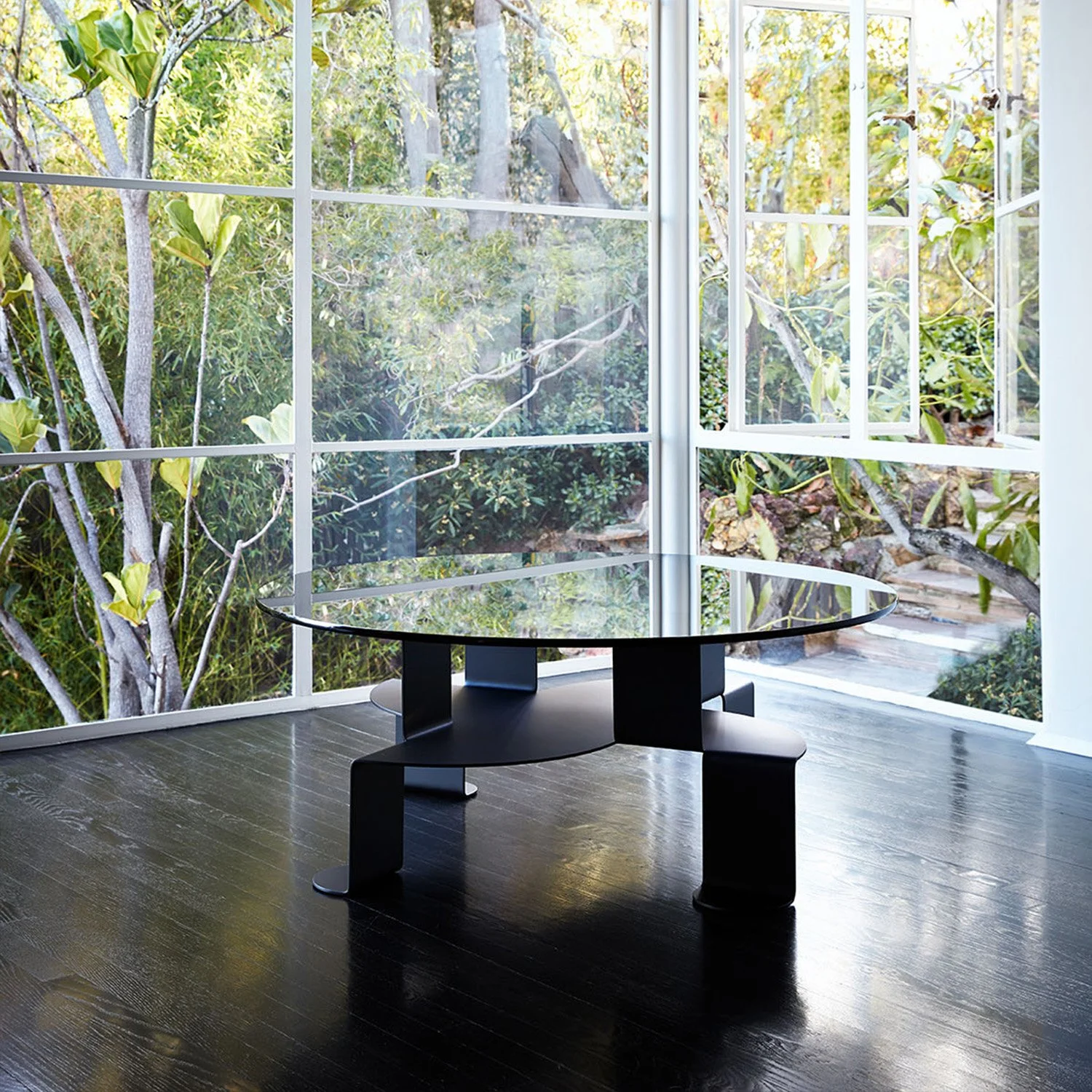
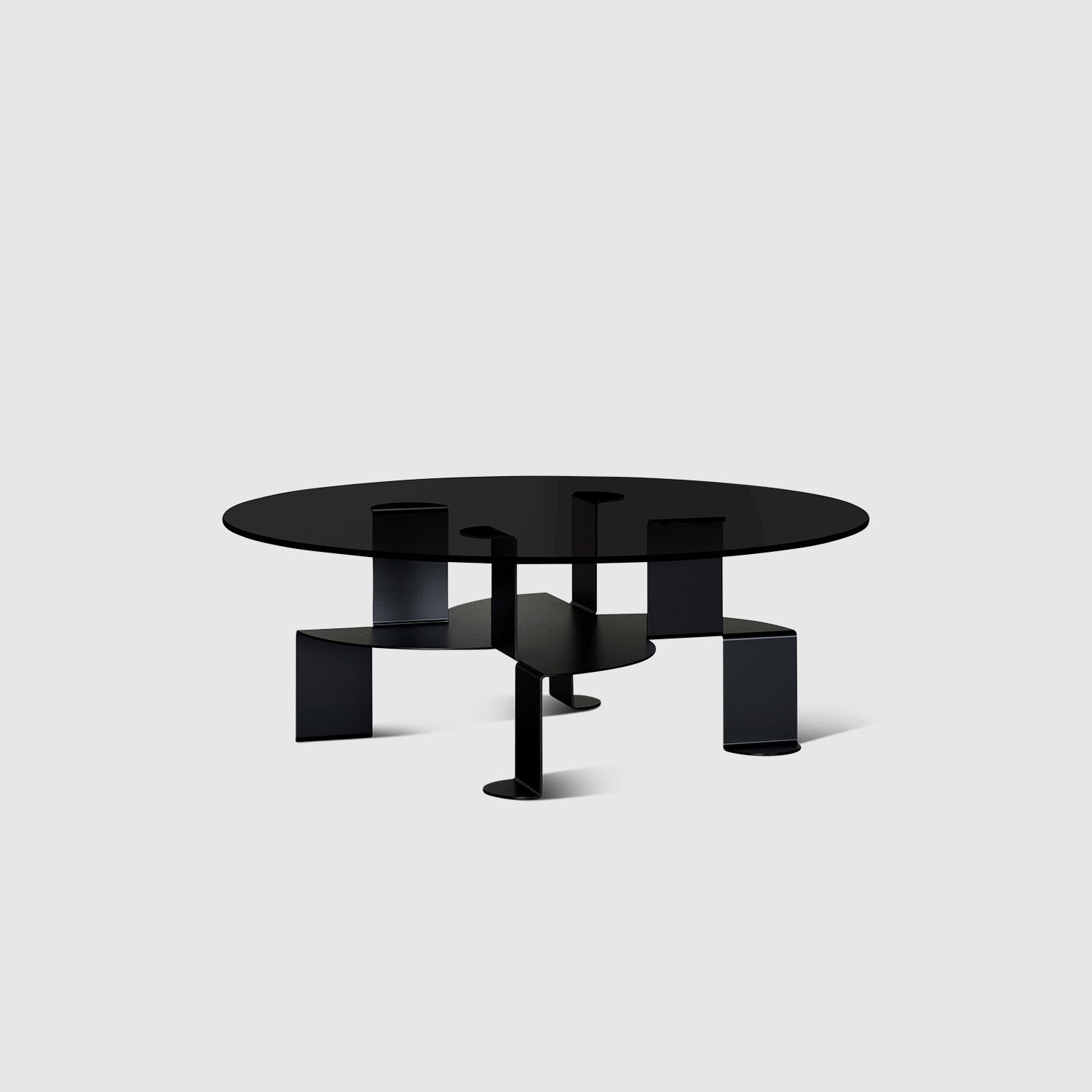
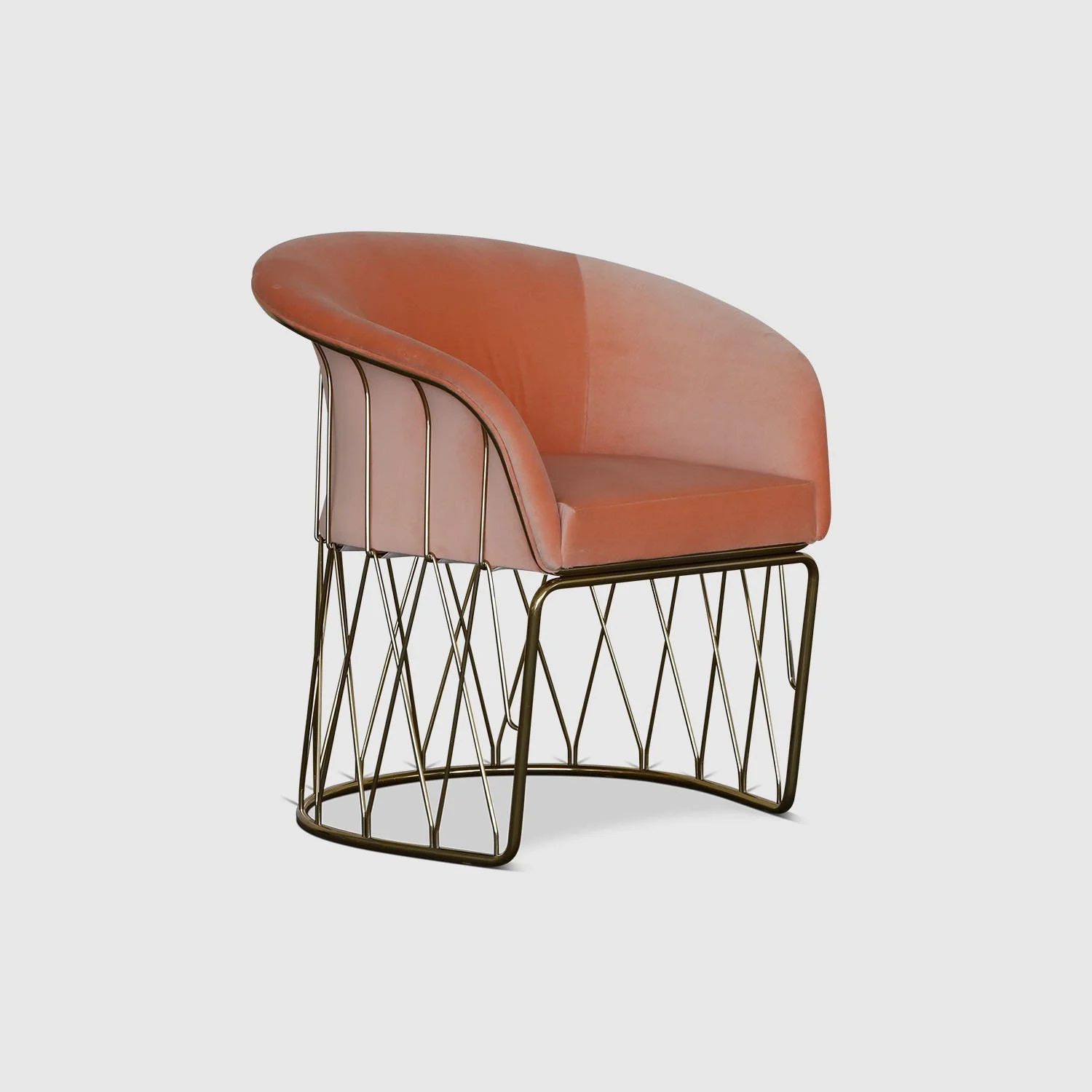
Little known but also worthy of admiration are his works as an industrial designer of furniture, glass and silver that show his references to ancient Mexico, but always under the gaze of Modernity. He died on his birthday in 2013 after seven decades of creative activity and leaving a legacy that became a reference for new generations.